


Achieving Excellence in Advanced Fashion Photo Editing
- Russell Pough

- Mar 30
- 3 min read
Fashion photography demands precision. Every detail counts. Retouching is key. It elevates images from good to exceptional. I focus on clarity, texture, and color balance. These elements define the final look.
Mastering Advanced Fashion Photo Editing Techniques
Advanced fashion photo editing requires skill and patience. I start with raw images. The goal is to enhance without overdoing. Here are essential steps:
Skin smoothing: Use frequency separation to keep texture.
Color correction: Adjust hues to match the mood.
Lighting enhancement: Dodge and burn to add depth.
Sharpening: Focus on eyes, lips, and fabric details.
Background cleanup: Remove distractions subtly.
I rely on layers and masks. This allows non-destructive edits. Each adjustment is reversible. It keeps the workflow flexible.

Tools and Software for Precision
Choosing the right tools is crucial. I use industry-standard software:
Adobe Photoshop: For detailed retouching.
Lightroom: For batch processing and color grading.
Capture One: For raw file handling and tethered shooting.
Frequency Separation Plugins: To separate texture and tone.
Hardware matters too. A calibrated monitor ensures color accuracy. A graphics tablet improves control over brush strokes.
How to edit photos to make clothes look see through?
This effect requires subtlety. The goal is to simulate transparency without losing fabric structure. Steps include:
Duplicate the clothing layer: Work non-destructively.
Lower opacity: Adjust to desired transparency.
Use layer masks: Reveal skin or background beneath selectively.
Add highlights and shadows: Mimic light passing through fabric.
Refine edges: Use soft brushes to blend transitions.
Maintain fabric texture: Avoid flattening details.
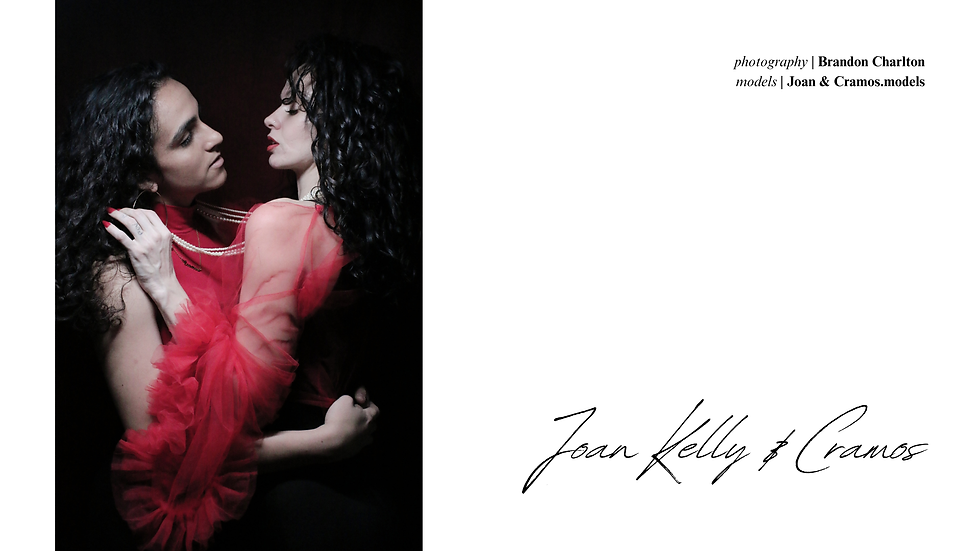
This technique works best on sheer fabrics like chiffon or lace. It enhances the artistic appeal without compromising realism.

Color Grading for Mood and Style
Color grading sets the tone. It can evoke emotions or highlight fashion trends. I follow these guidelines:
Match the theme: Warm tones for vintage, cool for modern.
Use color wheels: Adjust shadows, midtones, and highlights separately.
Preserve skin tones: Avoid unnatural hues.
Apply selective color adjustments: Enhance clothing colors without affecting the background.
Create presets: For consistent style across a series.
Color grading is a powerful tool to unify a collection or campaign visually.
Final Touches and Export Settings
Before exporting, I review every detail. Check for:
Artifacts: Remove any unwanted spots or halos.
Sharpness: Apply final sharpening based on output size.
Color profile: Use sRGB for web, Adobe RGB for print.
Resolution: Ensure it meets client requirements.
Export in multiple formats if needed. TIFF for print, JPEG for online use. Keep original files organized for future edits.
Building a Workflow for Consistency
Consistency is key in fashion photography retouching. I recommend:
Create templates: For common edits.
Use batch processing: To save time on large shoots.
Keep notes: Document settings and preferences.
Regular calibration: Monitor and software updates.
Seek feedback: Collaborate with photographers and stylists.
A streamlined workflow improves efficiency and quality.
Enhancing Images with Subtle Effects
Sometimes subtle effects add value:
Vignette: Draw attention to the subject.
Grain: Add texture for a film look.
Lens flare: Simulate natural light sources.
Blur backgrounds: Emphasize the model and clothing.
Use these sparingly. The focus should remain on the fashion.
The Role of fashion photography retouching in Visual Storytelling
Retouching is more than correction. It tells a story. It highlights the designer’s vision. It enhances the model’s presence. It creates mood and atmosphere. Every edit contributes to the narrative.
I approach each project with this mindset. The final image should communicate clearly and powerfully.
Continuous Learning and Improvement
The field evolves rapidly. New tools and trends emerge. I stay updated by:
Following industry blogs and tutorials.
Participating in workshops.
Experimenting with new techniques.
Networking with other professionals.
This commitment ensures my work remains relevant and high quality.
Final Thoughts on Achieving Excellence
Excellence in advanced fashion photo editing comes from discipline and attention to detail. It requires:
Mastery of tools.
Understanding of fashion aesthetics.
Patience and precision.
A clear vision for the final image.
By applying these principles, I create images that stand out. They inspire and connect with viewers. This is the essence of professional fashion photography retouching.
Comments